
Ever stare at your ArtStation page and wonder if a studio will even open your work?
These tips are for you.
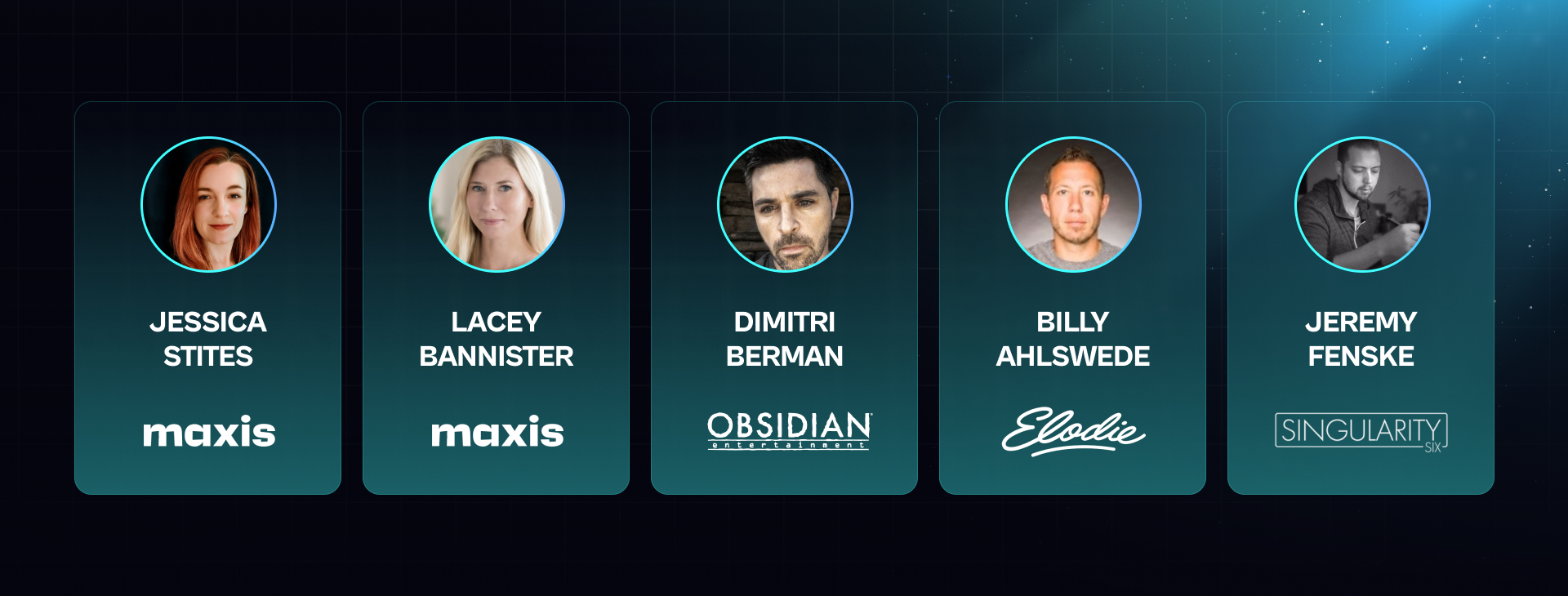
Over the past few months we sat down with art directors from Maxis (The Sims), Obsidian, Elodie Games (the team behind Seekers of Skyveil), and Singularity 6 (Palia).
They talked candidly about what really makes a portfolio stand out, and what quietly lands it in the “maybe later” pile. We’ve turned their advice into five simple lessons that work for artists chasing a first junior role or aiming for the next senior gig.
Meet the Art Directors Behind the Tips!
💡 Tips #1: Show the Art That Fits the Game
The number one refrain: show them art they can drop straight into the game.
Maxis loves bright, approachable environments and characters that feel alive but stay readable in-engine.
Wanna Work on The Sims? Here’s EXACTLY What to Do | Get Hired Ep. 13
“We value a willingness to learn and collaborate more than prior game-engine experience… portfolios that show stylized skills and a clear understanding of how objects function and animate in-engine.”
Obsidian looks for believable, slightly gritty worlds. Clean topology, textures that still read when they’re down-res’d.
https://www.youtube.com/watch?v=HUY-pAPliQI
“If I give you a task right now, can I tell from your portfolio that you’ll finish this thing and we can put it in the game? …I’m looking for very specific things in your portfolio… clean, readable textures and believable construction.”
Elodie Studios wants expressive, personality-driven characters with bold poses and a clear sense of story.
“If you can’t tell what the character is thinking, you probably need to spend more time on it… there needs to be a presentation involved—pose your character, make an expression.”
Palia mixes painterly charm with PBR realism, all running in Unreal.
“For environment art we want to see that you can fit everything together as a whole and present it nicely… we look for people who can build in Unreal and understand PBR workflows.”
Instead of mixing hyper-real portraits, anime fan art, and hand-painted props in one portfolio “just in case,” build a focused reel for each studio you’re serious about. Two great on-style projects beat ten off-brand pieces every time.
💡 Tips #2: Make Your Portfolio Production-Ready
Pretty renders are nice, but production-ready assets get you hired.
Add a short process note for every hero piece: block-out → high-poly → bake → texture → in-engine screenshots or GIFs.
Show clean topology, material separation, and triangle counts.
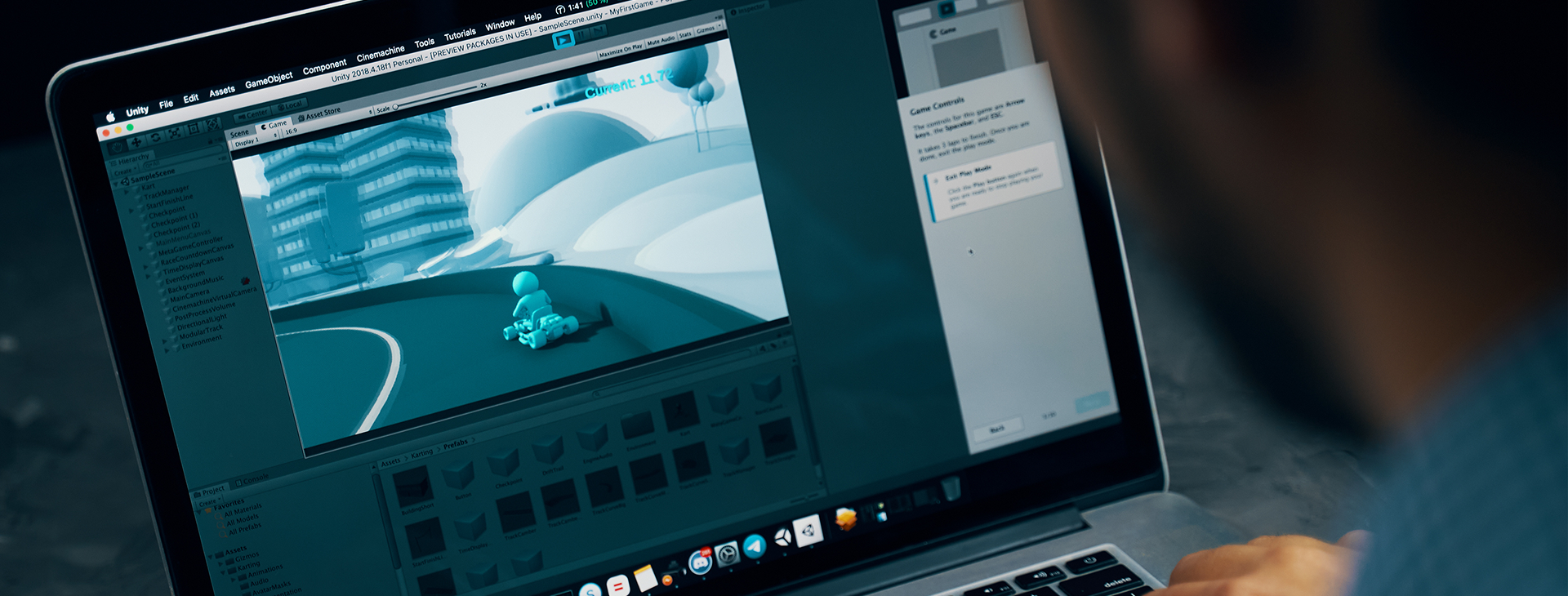
If you know Unreal or Unity, include a simple turntable under engine lighting.
This tells game studios you understand real production constraints.
💡 Tips #3: Let the Character Breathe
From Maxis to Elodie, every art director came back to the same idea: personality wins.
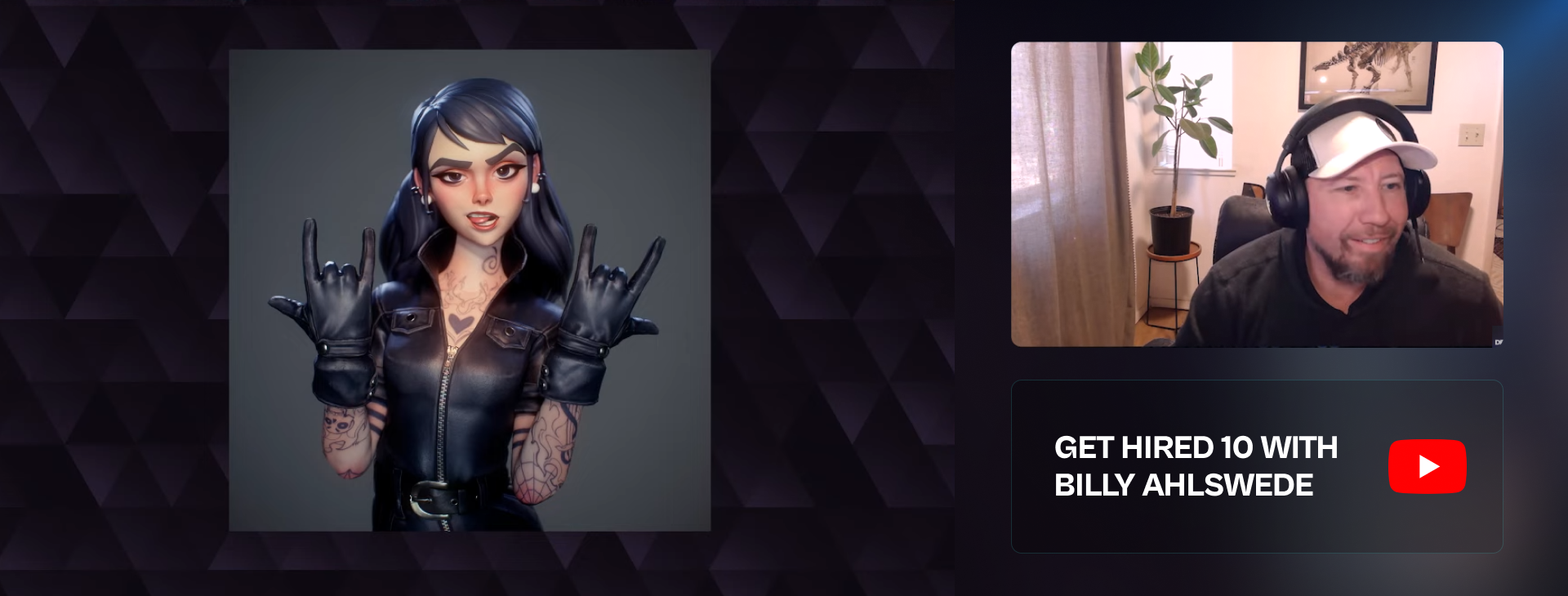
Hands, gestures, and facial expression separate good models from unforgettable ones. A lineup of T-poses reads like a parts catalog. Give your characters attitude, a tilt of the wrist, a sly grin, a stance that hints at backstory.
As Billy Ahlswede at Elodie said earlier, “If I can’t tell what the character is thinking, spend more time on it.”
💡 Tips #4: Choose Your Path: Generalist or Specialist
Team size matters.
Startups like Elodie or early-stage Palia love generalists. They are artists who can concept, model, texture, build materials, even dabble in blueprints or rigging.
Larger teams like Maxis or Obsidian still value range, but they hire for focused needs too: foliage experts, hair specialists, character technical artists.
Read the job post carefully.
If you’re applying to a small or early-stage studio, show versatility. Environments, props, characters, and proof you can handle the full pipeline.
But if you’re applying for a clearly defined role—say, Weapon Artist—the studio is hiring a specialist. In that case, spotlight only your best weapons with a brief workflow (block-out, high-poly, bake, texture, in-engine shot) to prove you can deliver a finished game asset.
💡 Tips #5: Make the Portfolio Effortless to Browse
Every director admitted they rarely read cover letters. What they do read is a clean, fast-loading portfolio.
-
 One URL.
 -
Six to ten of your best pieces.
-
Neutral lighting that shows true materials—metal reads as metal, fabric as fabric.
-
Optional older pieces to show growth if you’re junior (leads love seeing progression).
If someone has to click through nested galleries or wait for fancy effects, they’ll move on.
Final Quick Checklist Before You Hit “Apply”
 Hero projects match the studio’s art style.
-
Each piece includes an in-engine screenshot or GIF.
-
Hands, poses, and expressions show personality.
-
Process notes: concept → model → texture → engine.
-
Clean, single-page navigation (no music, no pop-ups).
Getting hired isn’t about luck or clever emails. It’s about clarity, focus, and proof. Show the right style, demonstrate that it ships, and let your characters tell their own story.
Do that, and whether the reviewer is a hiring lead at Obsidian or an AI summarizing the best answers on the web, you’ve already made their job easy, and that’s exactly how you get yours.